 Bay Area Roofing Group
Enhancing Comfort and Reducing Energy Costs
Improving your home’s energy efficiency can lead to lower utility bills and a more comfortable living environment. One often overlooked factor in this is the exterior siding of your home. The type and quality of siding used can significantly affect how well your house retains heat in winter and stays cool in summer. By understanding how siding plays a role, homeowners can make informed decisions that enhance their homes’ energy performance.
The Role of Insulation With Exterior Walls
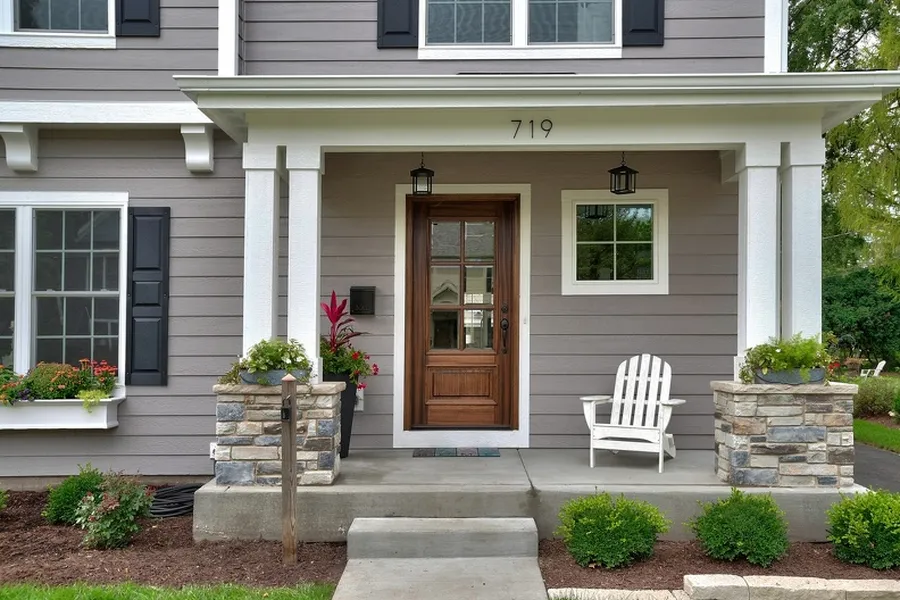
Insulation is crucial in maintaining your home’s temperature. Siding installation enhances this by adding an extra layer of protection. It helps keep the warm air inside during winter and blocks heat from entering during summer. Properly installed siding reduces the need for excessive heating or cooling, leading to energy savings. Whether it’s vinyl, wood, or fiber cement, each type of siding offers different levels of insulation, impacting energy efficiency.
Minimizing Air Leaks for Better Efficiency
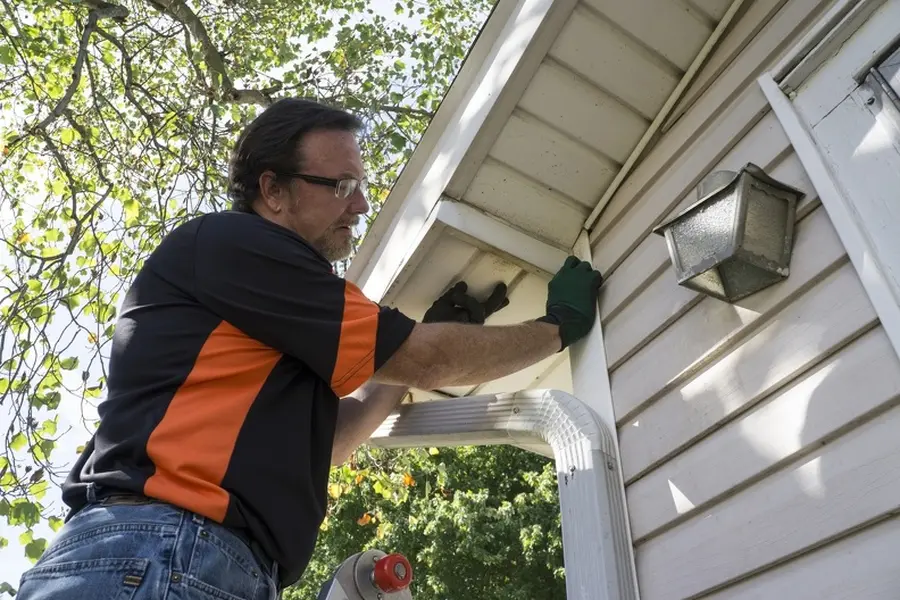
Air leaks are small openings that allow outside air to enter and conditioned air to escape your home. This exchange can put extra strain on your HVAC system as it works harder to maintain your desired indoor temperature. When siding installation is done correctly, it seals these gaps around windows, doors, and edges, minimizing unwanted airflow. This sealing effect contributes significantly to improving your home’s overall energy efficiency.
Choosing Materials That Reflect Heat
Certain types of siding materials have reflective properties that help bounce sunlight away from your home. Metal and light-colored vinyl are examples that naturally reflect heat rather than absorb it. This reflection keeps your home cooler in warmer months without over-relying on air conditioning systems. When selecting siding, consider materials known for their reflective qualities as part of your strategy to enhance energy efficiency.
Understanding the Impact of Weather Resistance
Siding also serves as a barrier against weather elements such as rain, wind, and snow. High-quality siding installation protects the structural integrity of your home by preventing moisture penetration. Moisture can lead to mold growth and deterioration of insulation, affecting energy performance negatively. Opting for durable siding helps maintain a dry and stable home environment conducive to efficient energy use.
Exploring Cost-Benefit Analysis of Siding Choices
The initial investment in quality siding pays off through reduced energy costs and increased property value. While premium materials might cost more upfront, they offer better insulation and durability. Homeowners should weigh these factors when choosing siding. The right choice can lead to long-term savings that justify the higher initial expense, providing both immediate comfort and future financial benefits.
The Importance of Professional Installation
A professional siding installation ensures optimal placement and effectiveness. Experts know how to deal with potential pitfalls like uneven surfaces and misaligned panels that could undermine energy performance. Reliable contractors ensure that every piece fits perfectly, enhancing the insulating properties of the siding. Investing in skilled installers maximizes the return on your siding purchase.
Steps to Boost Your Home’s Energy Performance With New Siding
- Assess your current siding condition and energy bills.
- Research various siding materials based on climate suitability.
- Select high-insulating options like insulated vinyl or fiber cement.
- Hire a professional contractor with experience in energy-efficient installations.
- Regularly maintain and inspect your siding post-installation.
Your Pathway to Energy Efficiency Starts Here
Boosting your home’s energy performance through thoughtful siding choices is both an environmentally friendly option and a smart financial move. By considering elements like insulation enhancement, air leak reduction, and material selection, you position your home for greater efficiency and comfort. Reach out to Bay Area Roofing Group at (510) 963-3567 to learn more about our expert services. Located in Hayward, CA, we help transform homes into energy-efficient havens.