 Bay Area Roofing Group
Understanding the Influence of Roof Slopes on Installation
The pitch of your roof is more than just an architectural feature; it plays a vital role in determining how roofs are installed. It affects not only the aesthetic appeal but also influences material choice, labor requirements, and overall project cost. Whether you’re planning a new build or a renovation, understanding how roof pitch impacts installation can save time and money. In this guide, we’ll explore various ways roof pitch contributes to different aspects of roofing projects, ensuring you have the knowledge needed for informed decisions.
Defining Roof Pitch
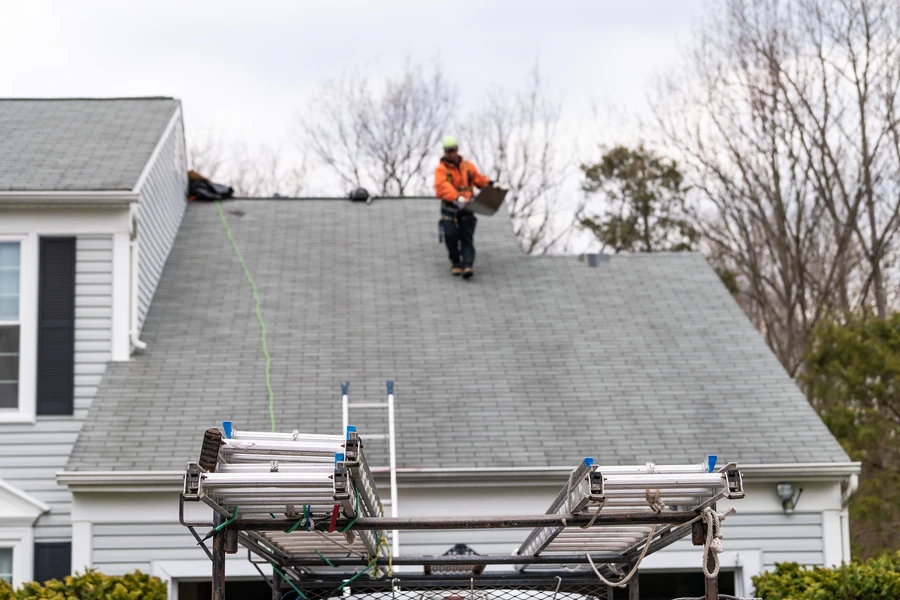
Roof pitch refers to the steepness or angle of a roof. It’s expressed as a ratio of vertical rise per horizontal span, such as 4/12 or 6/12, where the first number represents the height increase over a 12-inch run. This simple measurement determines how quickly water and debris shed from your roof, influencing everything from construction techniques to maintenance needs.
Impact on Material Selection
Your roof’s pitch can dictate the type of materials suitable for installation. Steeper pitches often require specific materials that can handle rapid water runoff. For instance, slate or metal may be preferred for steep slopes due to their durability and shedding capabilities. On the other hand, flatter roofs might utilize materials like rubber or tar since they deal better with pooling water. Choosing the right materials according to your roof pitch ensures longevity and effectiveness.
Effects on Labor and Safety
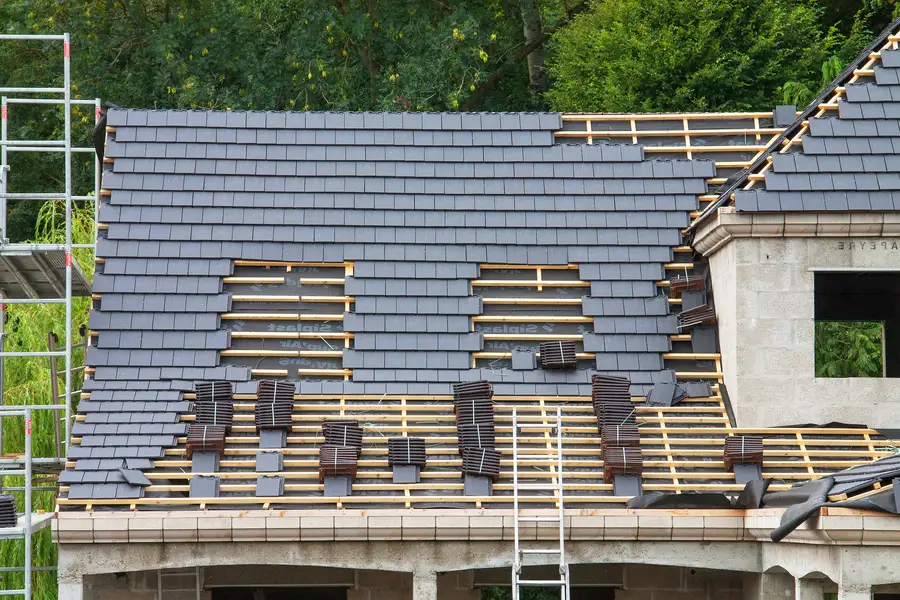
The slope of your roof significantly impacts the labor involved in roof installation. Steep roofs require additional safety measures and specialized equipment, increasing labor costs and time. Workers need harnesses and scaffolding to ensure safety during installation, which adds complexity to the project. Understanding these factors helps homeowners anticipate the expertise and resources required for successful completion.
Influence on Cost Considerations
When planning a roofing project, it’s crucial to consider how pitch influences costs beyond basic roof installation. A steep pitch may lead to higher expenses due to increased labor demands and specialized materials. Conversely, flatter roofs might initially seem cheaper but could incur extra long-term maintenance costs due to drainage issues. Balancing these aspects allows for realistic budget forecasting.
Maintenance Implications
Different roof pitches bring varied maintenance challenges. Steeper roofs typically experience fewer problems with debris buildup and leaks due to effective water runoff. However, they may require frequent inspections because accessing them is riskier for routine checks or minor repairs. Flatter roofs need regular cleaning and inspections to prevent standing water from causing damage over time. Knowing what upkeep each type requires aids in planning future maintenance schedules.
- Ensure regular inspections for all roof types
- Choose suitable materials according to slope requirements
- Consider additional costs related to labor and safety
Choosing the Right Roofing Experts
Selecting experienced professionals who understand how roof pitch affects installation ensures quality outcomes. Look for contractors well-versed in working with various slopes and materials. They should provide insight into best practices tailored to your specific needs, facilitating smooth project execution without unnecessary delays or cost overruns.
Your Next Steps in Roofing Projects
If you’re considering a roofing project, understanding your roof’s pitch is essential. By acknowledging its impact on material choices, labor requirements, safety considerations, and costs, you can make informed decisions. Contact us today at (510) 963-3567 for expert advice tailored to your needs. Based in Hayward, CA, our dedicated team at Bay Area Roofing Group provides comprehensive services designed to meet diverse roofing challenges.